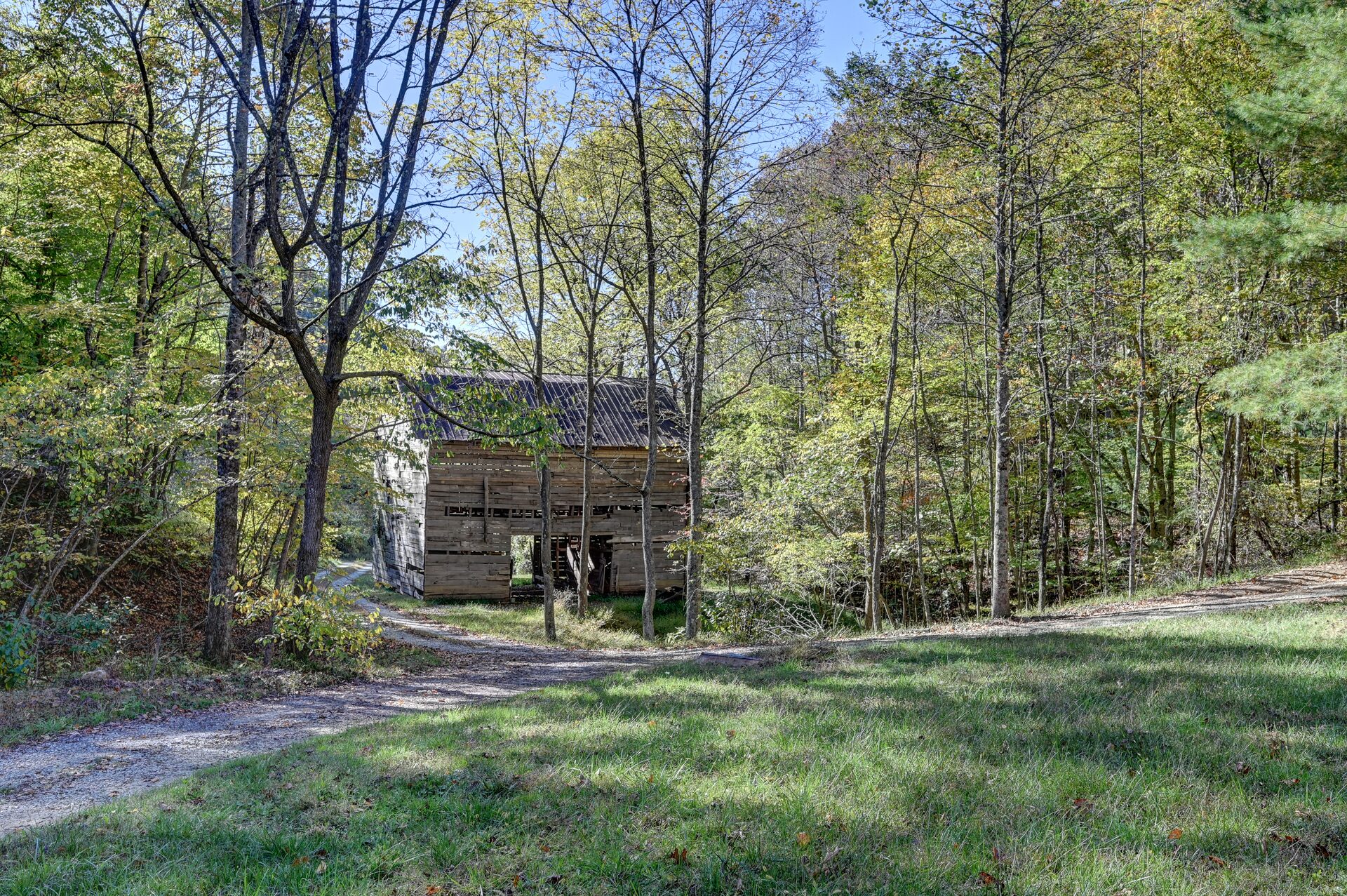
There is a particular kind of optimism that comes with finding a piece of land in the mountains outside Asheville. You're standing on a ridge in Candler or a wooded slope outside Weaverville and all you can see is trees, sky, and the kind of view that makes you wonder why you waited this long. You pull out your phone, take a photo, and start mentally placing the house.
That feeling is real and it's worth chasing. But between that moment and a finished home, there's a conversation about site conditions that a lot of buyers wish they'd had earlier.
Mountain Lots Are Not Flat Lots With a Better View
Building on a mountain lot near Asheville, Black Mountain, Hendersonville, or Weaverville is a fundamentally different kind of construction than building in a subdivision on flat land. The mechanics are different, the cost drivers are different, and the decisions you make before ground is broken matter more than almost anything that happens after.
On a flat suburban lot, a builder can move quickly from plan approval to foundation because the site is predictable. The ground is level, utilities are at the street, and the driveway is a straight line from the road to the garage. Mountain lots don't work that way. The slope, the soil, the trees, the rock, the access, all of it has to be understood before a budget means anything.
Buyers who fall in love with a lot before they understand the site conditions sometimes end up with a construction budget that looks nothing like what they planned. That's not a contractor problem. It's a sequencing problem. The lot evaluation needs to happen before the floor plan conversation, not after.
The Site Conditions That Drive Your Budget
When we look at a mountain lot, the first questions are about the land itself. How steep is it? Is it wooded? What does the soil look like, and is there rock close to the surface? Does the property need a well, a septic system, or both? How far is the building site from the road, and what does that access look like?
Each of those questions has a cost attached to it that doesn't show up in the purchase price of the land.
A wooded lot means clearing and grubbing before any grading can happen. Trees on a slope also mean root systems, soil stability questions, and sometimes environmental review depending on the location and the species involved. A heavily wooded lot in Madison County or on the ridges above Asheville can add meaningful cost before a single foundation form is set.
Slope is probably the biggest variable. A gently sloping lot might require modest grading to create a level building pad. A steep lot might require significant cut and fill work, retaining structures, and engineered foundations that a flat-land builder would never encounter. The steeper the lot, the more the site prep budget needs to reflect reality rather than optimism.
If the property needs a well, budget for drilling costs that vary based on depth and geology. If it needs septic, a soil evaluation has to happen before a system can be designed and permitted. Both of those are real numbers that belong in the budget before you close on the land.
Rock, Cut and Fill, and the Driveway Nobody Budgeted For
Hitting rock during excavation is one of the most common budget surprises on mountain lots in Western North Carolina. Rock doesn't move the way soil does. It has to be broken, which takes equipment, time, and money that wasn't in the original estimate because nobody knew the rock was there until the excavator hit it.
Cut and fill is the process of moving earth to create a level building pad on a sloped site. You cut into the high side of the slope and use that material to fill the low side. On a moderately sloped lot that process is manageable. On a steep lot it can involve significant retaining walls, engineered fill compaction, and drainage systems to handle water that now moves differently because the grade has changed.
The driveway is the one that surprises people most often. On a flat lot a driveway is an afterthought. On a mountain lot it can be a significant line item. A long driveway on a steep slope requires grading, drainage, a stable surface, and sometimes retaining work along the edges. If the driveway crosses a creek or drainage swale, you're adding culverts and potentially permitting. All of that exists before the house itself starts.
What We Look at When We Evaluate a Mountain Lot
Before we have a serious budget conversation with anyone about building in the Asheville area, we want to walk the lot. What we're looking for is slope, access, tree cover, any obvious rock outcroppings, where the building site naturally wants to be, and whether the property has or needs well and septic.
The slope tells us how much site work is involved. The tree cover tells us about clearing costs and sometimes about drainage patterns. The access tells us whether materials can get to the site efficiently or whether everything becomes more complicated and more expensive because of where the lot sits. The well and septic question tells us whether there are utility infrastructure costs that belong in the budget before we talk about square footage and finishes.
None of this is meant to discourage anyone from buying a mountain lot. It's meant to make sure the budget you're working with reflects the actual project, not a best-case scenario that assumes flat land and street utilities.
The Part That Makes It All Worth It
Here's the thing about building in the mountains near Asheville that doesn't show up in any budget conversation.
When it's done right, your house doesn't sit on the land. It becomes part of it. A home on a wooded ridge outside Weaverville or a sloped lot above Black Mountain can have a relationship with its surroundings that no subdivision home ever achieves. The way the structure meets the slope, the way the views are framed, the way the trees come right up to the windows on three sides. There is nothing more beautiful than the mountains surrounding Asheville, and a well-sited home in that landscape is something genuinely different from anything you'd build on flat ground.
That's worth understanding the site conditions for. It's worth doing the work to get the budget right before you fall in love with a floor plan. And it's worth working with a builder who has actually built on mountain lots in this area and knows what they're getting into before the excavator shows up.
If you're looking at land in Asheville, Candler, Weaverville, Black Mountain, or Hendersonville and want an honest conversation about what building on it actually involves, we're happy to walk the lot with you. Reach out at woodedmountainbuilders.com/contact or call (828) 618-4837.